Pregnancy Gingivitis: A Comprehensive Guide for Expectant Mothers
Pregnancy gingivitis is a common oral health condition affecting the majority of expectant mothers, with prevalence rates ranging from 60-75%. This inflammatory gum condition is primarily triggered by hormonal changes during pregnancy that increase susceptibility to bacterial plaque. Research indicates that untreated gingivitis during pregnancy may be associated with adverse birth outcomes, including preterm birth and lower birth weight. However, the condition is both preventable and treatable with proper oral hygiene practices and professional dental care, which are considered safe throughout pregnancy. Current evidence emphasizes the importance of maintaining optimal oral health during pregnancy through regular dental visits, proper brushing and flossing techniques, and professional interventions when necessary.
Prevalence and Development of Pregnancy Gingivitis
Pregnancy gingivitis is remarkably common among expectant mothers, with studies consistently showing high prevalence rates across different populations. Between 60% and 70% of women experience pregnancy gingivitis, making it one of the most frequently encountered oral health issues during pregnancy. In some populations, the rates can be even higher, with research conducted in Nepal reporting a prevalence of 76.3% in the second trimester of pregnancy. Other studies have found varying rates, from 38% to as high as 93.75%, depending on the research methodology and population studied.
The condition typically follows a predictable timeline throughout pregnancy. Pregnancy gingivitis often first develops late in the first trimester, as hormonal changes begin to affect gum tissue responsiveness. The severity tends to increase as pregnancy progresses, usually peaking during the second trimester or around the eighth month of gestation. Importantly, the condition is generally temporary, with symptoms typically subsiding shortly after delivery as hormone levels return to pre-pregnancy states.
Research indicates that pregnant women are significantly more likely to develop gingivitis compared to non-pregnant women. One comparative study found that pregnant women were 1.94 times more likely to experience gingivitis than their non-pregnant counterparts. This marked difference highlights the substantial impact that pregnancy-related physiological changes have on oral health.
Causes and Physiological Mechanisms
The primary cause of pregnancy gingivitis is the dramatic hormonal fluctuations that occur during pregnancy, particularly the significant increase in progesterone and estrogen levels. These hormonal changes directly affect the body’s response to oral bacteria and plaque, creating conditions that favor gingival inflammation.
Hormonal Influences on Gum Tissue
Progesterone plays a particularly important role in the development of pregnancy gingivitis. Elevated progesterone levels trigger an exaggerated inflammatory response to plaque bacteria that would normally be present in the mouth. This heightened reactivity makes the gum tissues more sensitive to irritants, resulting in increased inflammation even with relatively small amounts of plaque.
Estrogen further compounds these effects by altering the oral environment. Together with progesterone, these hormones can change the pH balance of the mouth and temporarily raise blood sugar levels, creating more favorable conditions for oral pathogens to thrive and proliferate. These hormonal changes essentially lower the threshold at which gingival tissues will become inflamed in response to bacterial biofilm.
Microbial Factors
The gram-negative bacterium Fusobacterium nucleatum, commonly found in gingivitis, has been identified as particularly problematic during pregnancy. This bacterium has been frequently isolated from amniotic fluid cultures of pregnant women experiencing premature labor, suggesting a potential connection between oral bacteria associated with gingivitis and adverse pregnancy outcomes.
The hormonal environment during pregnancy may also selectively favor the growth of certain periodontal pathogens, making it easier for gingivitis-causing bacteria to accumulate in greater numbers. This shift in the oral microbiome, combined with increased tissue sensitivity, creates the perfect conditions for gingival inflammation to develop and persist throughout pregnancy.
Clinical Symptoms and Diagnosis
Pregnancy gingivitis presents with distinctive clinical signs and symptoms that pregnant women and healthcare providers should be vigilant about recognizing.
Common Signs and Symptoms
The most noticeable symptoms of pregnancy gingivitis include:
- Bleeding gums, particularly during brushing or flossing
- Redness and inflammation of the gingival tissues
- Swollen, puffy appearance of the gums
- Tenderness or soreness when pressure is applied to the gums
- In some cases, receding gums
- Occasionally, bad breath may be present
Bleeding during brushing or flossing is typically the earliest and most common sign of pregnancy gingivitis. Research reveals that most pregnant women (79%) have at least one site with bleeding on probing, with an average of 10% of total oral sites exhibiting bleeding. This bleeding occurs because the inflamed gingival tissues become more fragile and vascular, making them prone to bleeding with even gentle mechanical stimulation.
Distribution and Severity Patterns
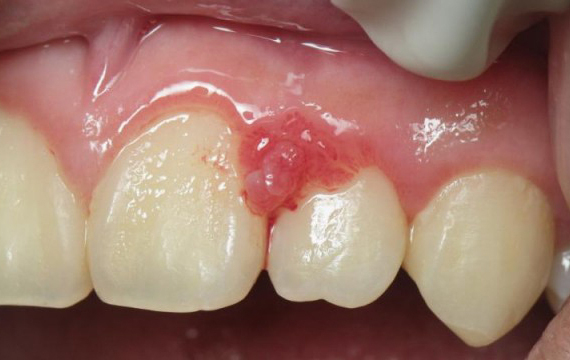
Pregnancy gingivitis most commonly affects the anterior regions of the mouth, particularly the interdental papillae, which often appear enlarged and may bleed spontaneously in severe cases. The severity of pregnancy gingivitis varies considerably among women, with studies classifying approximately 15% of cases as moderate and 73% as severe. Interdental areas are particularly susceptible, with research showing that 66.7% of interdental sites may demonstrate bleeding when stimulated with interdental brushes.
Dental professionals diagnose pregnancy gingivitis through clinical examination, measuring parameters such as bleeding on probing, probing depth, and gingival inflammation. The condition is differentiated from regular gingivitis primarily by its timing (occurring during pregnancy), its often increased severity, and its tendency to resolve after childbirth.
Risk Factors and Associations
Several factors influence a pregnant woman’s likelihood of developing gingivitis during pregnancy, with some increasing the risk significantly.
Demographic and Behavioral Risk Factors
Poor oral hygiene stands out as the most significant risk factor for developing pregnancy gingivitis. Research shows that pregnant women with poor oral hygiene practices are approximately 20 times more likely to develop gingivitis compared to those with good oral hygiene habits. Specifically, not using oral hygiene aids such as dental floss or interdental brushes increases the risk substantially (ORa = 6.76).
Inadequate dental care is another major risk factor. Pregnant women who do not attend regular dental check-ups have a significantly higher risk of developing gingivitis (ORa = 3.74). This is particularly concerning given that studies report as many as 88% of pregnant women in some populations have never received any form of professional oral health care.
Other factors that have been associated with increased risk include:
- Gravidity and parity (the number of pregnancies and births), with multiparous women showing higher rates of gingivitis
- Professional activity status, with employed women showing higher odds for gingivitis in some studies (OR = 6.75)
- Educational level, with varying associations across different populations
Protective Factors
Some protective factors have also been identified. Dietary habits, particularly the consumption of fruits and vegetables, appear to have a protective effect. Women who consume more than five portions of fruits and vegetables daily have significantly lower odds of developing gingivitis during pregnancy (OR = 0.15). This suggests that nutritional factors may play an important role in maintaining natural healthy teeth during pregnancy.
Interestingly, a higher body mass index (BMI) has been associated with lower odds of gingivitis in some studies (OR = 0.76), although this finding requires further investigation to understand the underlying mechanisms.
Impact on Pregnancy Outcomes
One of the most significant concerns regarding pregnancy gingivitis is its potential impact on pregnancy outcomes and fetal development.
Association with Preterm Birth
Research evidence suggests a relationship between untreated gingivitis during pregnancy and an increased risk of preterm birth. A meta-analysis of clinical trials found that treatment of gingivitis during pregnancy was associated with a significantly decreased risk of preterm birth (OR = 0.44, 95% CI [0.20–0.98], P = 0.045). This represents a 56% reduction in preterm birth risk when gingivitis is properly treated, highlighting the importance of addressing this condition during pregnancy.
Effects on Birth Weight
The same meta-analysis demonstrated that treatment of gingivitis during pregnancy was associated with higher birth weight in newborns (weighted mean difference = 105.36 g, 95% CI [36.72–174.01], P = 0.003). This suggests that maternal oral health has a meaningful impact on fetal development and growth.
Mechanisms of Adverse Outcomes
The relationship between oral health and pregnancy outcomes likely involves several pathways. The gram-negative bacterium Fusobacterium nucleatum, commonly found in gingivitis, has been isolated from amniotic fluid cultures obtained from pregnant women with premature labor and intact placental membranes. This suggests that oral bacteria may potentially translocate to the amniotic environment.
Additionally, gingivitis involves systemic dissemination of inflammatory mediators such as IL-1, IL-6, and TNF-α. These inflammatory cytokines are known to play a role in the initiation of labor, and their elevated presence due to gingivitis may potentially contribute to adverse pregnancy outcomes. The evidence increasingly suggests that controlling gingival inflammation during pregnancy may have benefits beyond oral health, potentially improving pregnancy outcomes.
Safe Treatment Options During Pregnancy
Addressing pregnancy gingivitis appropriately is crucial, and fortunately, several safe and effective treatment options are available for pregnant women.
Professional Dental Care
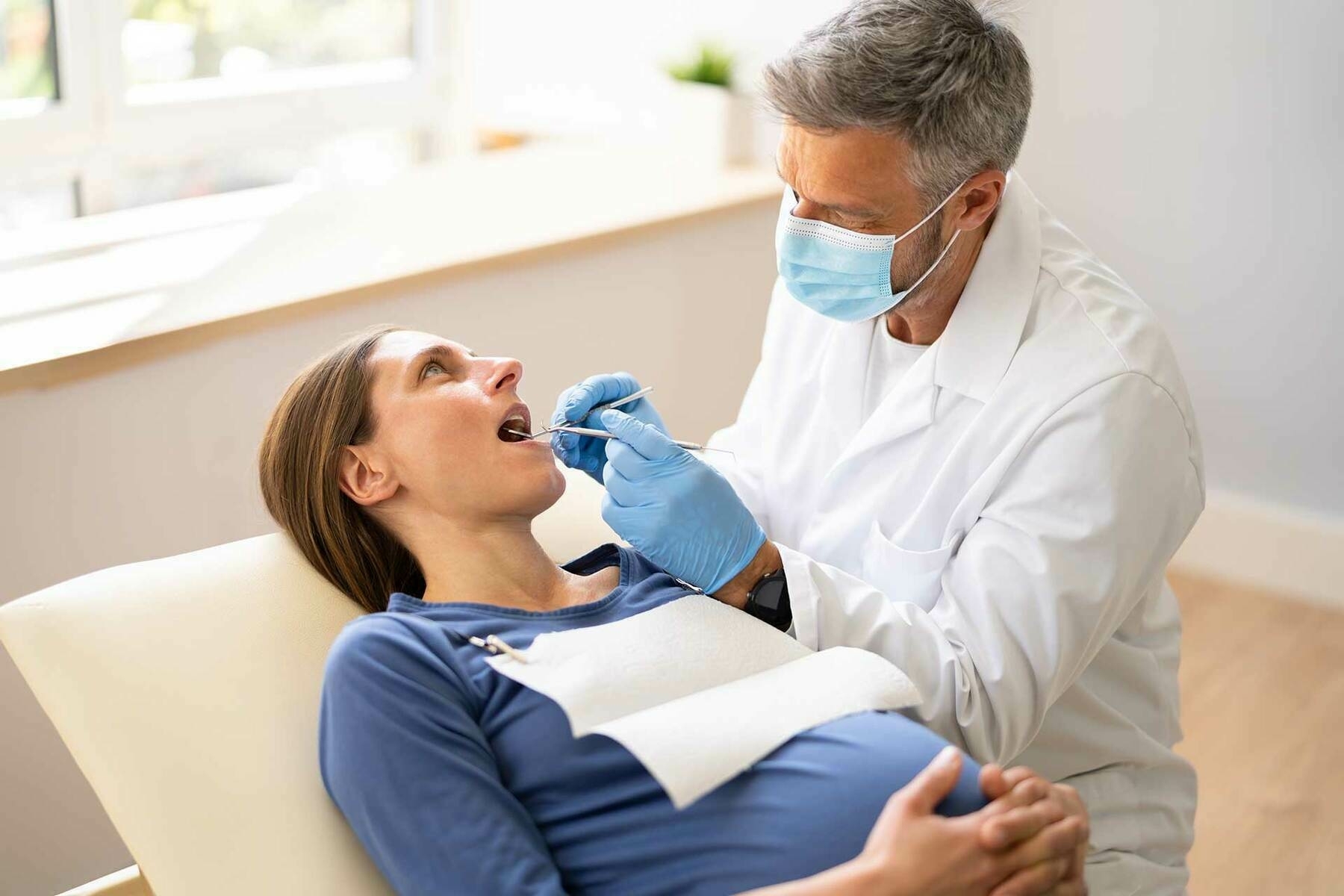
Professional dental care is both safe and recommended throughout pregnancy. Major health organizations, including the American Dental Association and the American Congress of Obstetricians and Gynecologists, encourage pregnant women to maintain regular dental visits. In the UK, NHS dental care is provided free of charge during pregnancy and for the first year after childbirth, highlighting the importance placed on maternal oral health.
Professional interventions that are considered safe during pregnancy include:
- Routine dental cleanings and examinations
- Non-surgical periodontal therapy, including scaling and root surface instrumentation, particularly during the second trimester
- Necessary dental extractions
- Dental X-rays with appropriate shielding
- Local anesthesia when required for treatment
Dentists may recommend more frequent cleanings during pregnancy, particularly during the second trimester or early third trimester, to help combat the effects of increased hormonal levels. While dental cleanings are generally safe throughout pregnancy, many dental professionals suggest scheduling elective dental procedures during the second trimester when possible.
Medications and Safety Considerations
When medication is necessary for dental treatment during pregnancy, certain precautions should be taken. Common painkillers and systemic antibiotics are generally considered safe, but tetracyclines and metronidazole should be avoided during pregnancy. Any medication should be prescribed to pregnant women only after consultation with their obstetrician.
For pregnancy-related gingival enlargements (pregnancy epulis), surgical excision is typically delayed until after delivery, with supportive plaque removal measures implemented during pregnancy instead. Similarly, extensive traumatic interventions such as periodontal surgery should be avoided during pregnancy when possible, particularly during the first trimester.
Prevention and Home Care Strategies
Effective prevention and management of pregnancy gingivitis largely depend on rigorous oral hygiene practices and healthy lifestyle choices. Using the right dental health products is essential for maintaining optimal oral health during pregnancy.
Optimal Oral Hygiene Practices
For pregnant women, the following oral hygiene practices are recommended:
- Brush teeth carefully twice daily for two minutes using fluoride toothpaste
- Use a soft-bristled, small-headed toothbrush to minimize gum irritation
- Floss at least once daily to remove interdental plaque
- Consider using additional interdental cleaning aids as recommended by dental professionals
- After episodes of morning sickness, rinse the mouth with plain water to neutralize acids before brushing
These basic practices can significantly reduce plaque buildup and help prevent or minimize gingival inflammation. The importance of proper technique cannot be overstated, as mechanical plaque removal remains the cornerstone of gingivitis prevention and treatment.
Dietary and Lifestyle Recommendations
Several dietary and lifestyle factors can influence gingival health during pregnancy:
- Limit consumption of sugary foods and drinks, and try to confine them to mealtimes rather than snacking throughout the day
- Choose healthier snacks such as fresh vegetables, fruits, or plain yogurt between meals
- Increase consumption of fruits and vegetables, aiming for more than five portions daily
- Avoid alcohol-containing mouthwashes, which may irritate sensitive gum tissues
- Stop smoking, as it can significantly worsen gum disease
- Maintain regular dental check-ups throughout pregnancy
Nutritional factors appear particularly important, with research showing that higher fruit and vegetable consumption is associated with significantly lower odds of developing gingivitis during pregnancy. This suggests that a nutrient-rich diet may help support gingival health through various mechanisms, including improved immune function and reduced inflammation.
Preventing Complications and Long-term Oral Health
Maintaining good oral hygiene during pregnancy not only helps prevent gingivitis but also reduces the risk of other dental issues like tooth decay. Untreated gingivitis can potentially progress to more severe periodontal disease if neglected, which may have long-lasting consequences beyond pregnancy.
Conclusion
Pregnancy gingivitis affects the majority of pregnant women, with prevalence rates consistently ranging from 60-75% across diverse populations. The condition is primarily driven by hormonal changes during pregnancy that heighten the gingival response to bacterial plaque. While generally temporary and resolving after childbirth, untreated gingivitis during pregnancy has been associated with concerning outcomes, including increased risk of preterm birth and lower birth weight.
The good news is that pregnancy gingivitis is both preventable and treatable. Effective plaque control through proper brushing and flossing, combined with regular professional dental care, forms the foundation of prevention and management. Dental treatments including cleanings, scaling, and necessary restorative procedures are considered safe during pregnancy, particularly during the second trimester. Nutritional factors, especially adequate consumption of fruits and vegetables, may provide additional protective benefits.
Healthcare providers should work together to increase awareness about pregnancy gingivitis and its potential implications. Obstetricians, midwives, and primary care providers can play a crucial role in referring pregnant women for dental evaluation, while dental professionals can provide tailored oral hygiene instruction and appropriate treatment. With proper attention to oral health, pregnant women can minimize gingival inflammation and potentially improve both maternal and fetal outcomes.