Gingivitis and Hormonal Changes: Why Women Are More Susceptible
Women face a unique set of oral health challenges due to hormonal fluctuations throughout their lives. Emerging research reveals that women experience a heightened risk of **gingivitis **and periodontal disease during specific hormonal milestones from puberty through menopause. This relationship between hormonal changes and oral health represents a significant but often overlooked aspect of women’s healthcare. The following report examines the biological mechanisms behind increased gingival sensitivity during hormonal transitions, identifies high-risk periods, and outlines preventive strategies for optimal oral health maintenance.
The Hormonal-Oral Health Connection Women’s susceptibility to oral health problems stems from the unique hormonal changes they experience throughout their lives. These hormonal fluctuations, particularly in estrogen and progesterone levels, significantly impact the oral environment in multiple ways. Hormones affect not only the blood supply to gum tissue but also alter how the body responds to toxins produced by plaque buildup. This hormonal influence creates periods of increased vulnerability to gingivitis and periodontal disease during specific life stages.
The biological mechanism behind this relationship is multifaceted. Estrogen primarily affects blood vessels and the cytodifferentiation of stratified squamous epithelium, while also influencing the synthesis and maintenance of fibrous collagen. Estrogen receptors in osteoblast-like cells provide a direct pathway for hormonal action on bone, while similar receptors in periodontal ligament fibroblasts enable hormones to directly impact periodontal tissues. Meanwhile, progesterone stimulates the production of inflammatory mediators, potentially exacerbating the inflammatory response to bacterial presence.
Additionally, certain microorganisms found in the human mouth can synthesize enzymes needed for steroid hormone metabolism, creating a complex interplay between oral bacteria and hormonal fluctuations. This bacterial adaptation to the hormonal environment contributes to the increased gingival inflammation observed during periods of hormonal change in women.
Manifestations of Hormone-Induced Gingival Changes
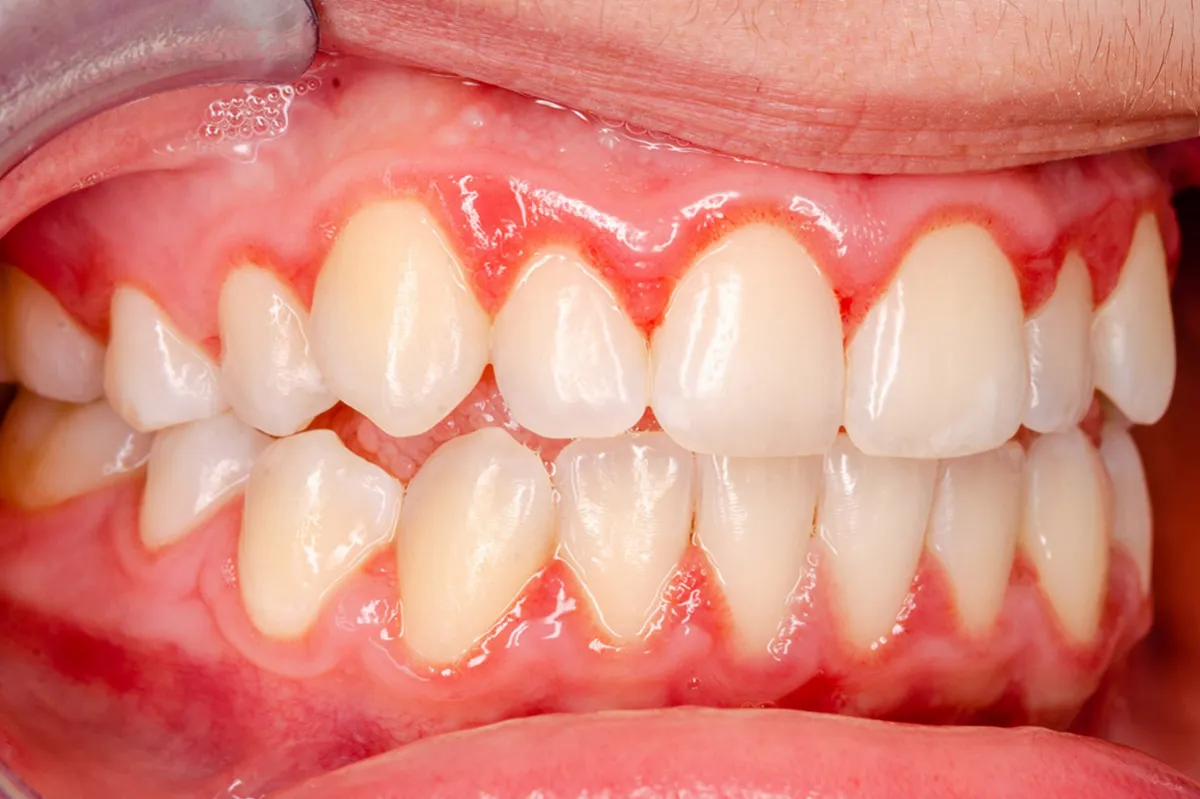
Hormone-influenced gingivitis typically manifests as red, swollen, tender gums that bleed more easily during brushing and flossing. The increased blood flow to gum tissues due to hormonal fluctuations can change how gum tissue reacts to plaque irritants, making the gums more sensitive and prone to inflammation. In severe cases, women may experience significant gingival enlargement, increased bleeding, and even the development of pyogenic granulomas—non-cancerous growths on the gum tissue that can be painful and bleed easily.
Vulnerable Periods Throughout a Woman’s Life Puberty and Adolescence The onset of puberty marks the first significant period of hormonal flux affecting oral health. During adolescence, the surge in production of estrogen and progesterone increases blood flow to the gums and alters how gum tissue responds to plaque irritants. Adolescent gingivitis typically begins around the age of 8-13, coinciding with the onset of puberty. This condition presents as swollen, red, tender gums that may bleed during brushing and flossing.
The hormonal changes during this period not only affect physical oral health but can also impact psychological aspects. As adolescence may affect girls' self-esteem and body image, maintaining healthy oral health becomes important for supporting overall confidence. Furthermore, dietary habits often change during adolescence, and orthodontic treatments frequently begin during this time, making good oral hygiene particularly crucial for preventing decay and gum inflammation.
The Menstrual Cycle Monthly hormonal fluctuations during the menstrual cycle can trigger transient changes in gingival health. Due to the hormonal shifts (particularly increased progesterone) during the menstrual cycle, some women experience oral changes including bright red swollen gums, swollen salivary glands, development of canker sores, or bleeding gums. This condition, sometimes called “menstruation gingivitis,” typically occurs a day or two before the start of menstruation and usually resolves shortly after the period begins.
Research has shown that women with pre-existing gingivitis often experience a worsening of their condition during menstruation, while those without clinical gingivitis show no increase in gingival inflammation. Studies have demonstrated that TNF-α shows significant fluctuation during the menstrual cycle, with surges just before ovulation and pre menstruation, suggesting it may serve as a mediator through which gingival inflammation is modulated. Birth Control Pills
Women who use hormonal contraceptives containing progesterone may experience amplified gingival responses to plaque. When taking certain birth control pills that contain progesterone, women may experience inflamed gum tissues due to the body’s exaggerated reaction to the toxins produced from plaque. This increased sensitivity makes proper oral hygiene even more important for women on hormonal contraceptives.
Pregnancy
Pregnancy represents a period of particularly dramatic hormonal fluctuations that significantly impact oral health. Approximately 40% of pregnant women develop gingivitis at some point during their pregnancy, with symptoms typically appearing between the second and eighth month and peaking during the third trimester. The surge in progesterone during pregnancy can encourage the growth of bacteria in plaque around the teeth and gums, increasing gum sensitivity and leading to inflammation and infection.
Pregnancy gingivitis manifests as swollen, red, and tender gums that may bleed during brushing and flossing. In more severe cases, pregnancy gingivitis can progress to periodontitis, which involves infection and inflammation of the connective tissues around the teeth, potentially leading to permanent damage.
Of particular concern is the established link between periodontal disease during pregnancy and adverse pregnancy outcomes. Research has shown that pregnant women with periodontitis may be up to seven times more likely to have a baby born with low birth weight or prematurely (before 37 weeks). These complications can lead to various health challenges for the newborn, including an increased risk of learning difficulties as children.
Menopause
The decline in ovarian steroids during menopause promotes important changes in connective tissue throughout the body, including oral tissues. Women in perimenopause and menopause are more likely to develop bleeding gums and other symptoms of gum disease primarily due to inflammation. As estrogen levels fluctuate and eventually decline during perimenopause, some of the anti-inflammatory protection provided by estrogen disappears.
Studies show that estrogen can suppress inflammation in certain cells of the body, and its absence during menopause can lead to increased inflammatory responses in the gums. Furthermore, decreased estrogen levels can lead to burning mouth syndrome, dry mouth, and changes in taste perception. Menopausal women are also more prone to gum disease and receding gum tissue due to these hormonal changes.
The Bidirectional Relationship Between Hormones and Oral Health
Interestingly, the relationship between hormonal imbalance and gum disease works bidirectionally. Not only do hormonal fluctuations increase susceptibility to gum disease, but poor oral hygiene leading to gingivitis can potentially exacerbate hormonal imbalance. When poor oral hygiene leads to bleeding gums, it can activate and elevate the inflammatory response throughout the body, potentially contributing to systemic inflammation that may influence hormonal balance.
Research increasingly demonstrates that periodontal disease affects the entire body, not just the mouth. Bleeding gums may signal other inflammatory issues beyond hormonal imbalance, highlighting the importance of oral health as a component of overall systemic health.
Prevention and Management Strategies Consistent Oral Hygiene Practices
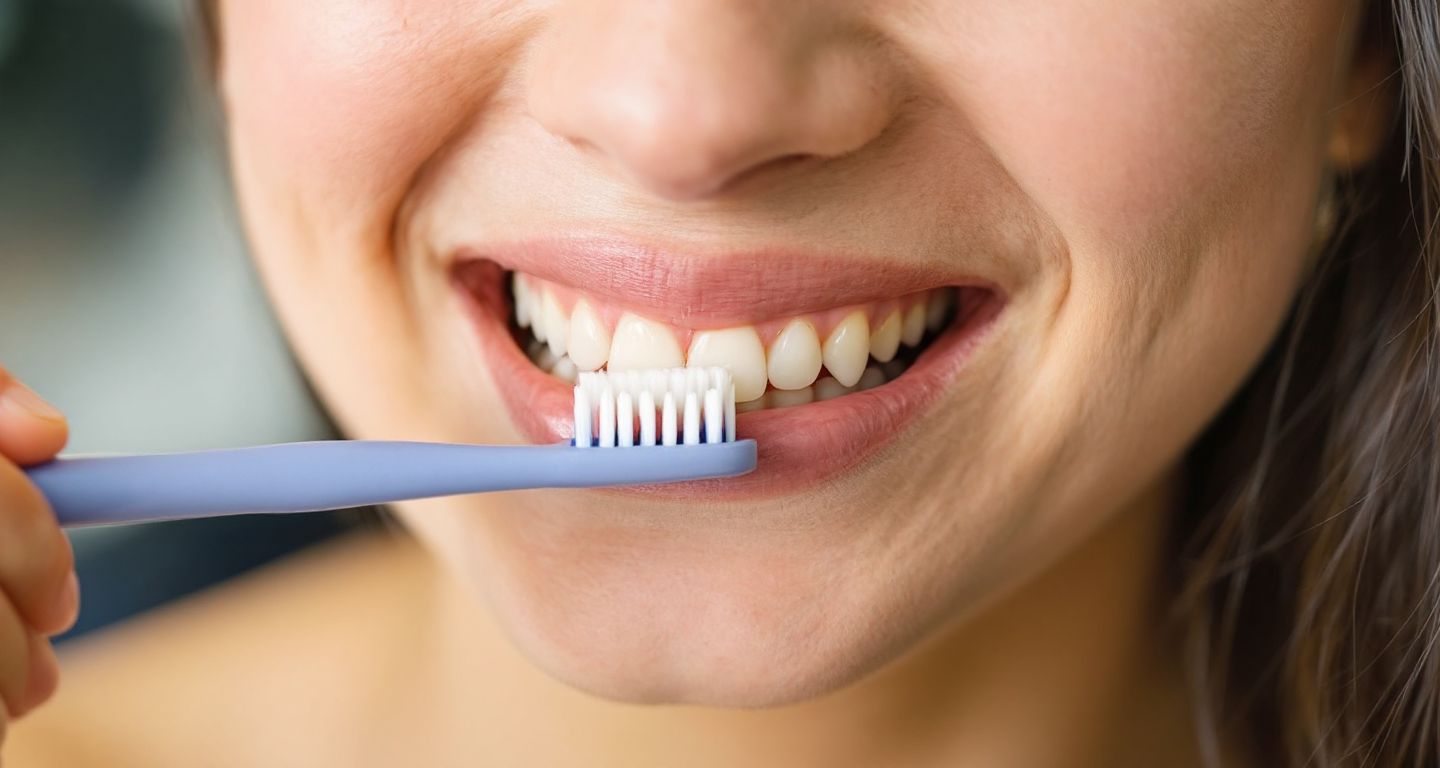
Maintaining diligent oral hygiene becomes especially important during hormonal transitions. Women should brush at least twice daily with fluoride toothpaste and a soft-bristled toothbrush to minimize irritation to sensitive gums. Daily flossing is crucial for removing trapped food particles and bacteria between teeth that brushing alone cannot reach. For those experiencing heightened sensitivity, using an antimicrobial mouthwash without alcohol can help control bacterial growth. ** Regular Dental Visits**
Professional dental care plays a vital role in managing hormone-related gingival changes. Women should schedule regular dental checkups and cleanings, with increased frequency during high-risk periods like pregnancy. Professional cleanings can remove plaque and tartar buildup that contributes to gingival inflammation, helping to control the cycle of inflammation and infection. Dentists can also monitor for early signs of hormone-related oral changes and intervene before conditions worsen.
Diet and Lifestyle Considerations
Nutritional choices significantly impact oral health during hormonal fluctuations. A balanced diet low in sugary foods and beverages helps reduce bacterial growth that contributes to plaque formation. Increasing consumption of fruits and vegetables provides essential nutrients that support gum health and immune function. Staying well-hydrated helps maintain adequate saliva production, which serves as a natural defense against oral bacteria.
Special Considerations During Pregnancy Pregnant women require particular attention to their oral health due to both increased susceptibility to gingivitis and potential impacts on pregnancy outcomes. Women planning pregnancy should consider a pre-conception dental checkup to address any existing oral health issues. During pregnancy, scheduling a dental cleaning in the second or third trimester allows for assessment of overall oral health and management of any developing issues.
For active swelling and bleeding gums during pregnancy, treatment typically involves a series of preventative or deep cleanings to physically remove bacteria below the gum lines, helping to control inflammation and infection. This intervention is particularly important given the established links between untreated gum infections and increased risk of preeclampsia and preterm birth.
Conclusion Women’s hormonal fluctuations throughout life create periods of increased vulnerability to gingivitis and periodontal disease. From puberty through menopause, the complex interplay between hormones—particularly estrogen and progesterone—and oral tissues significantly impacts gum health. Understanding these connections enables women to implement targeted prevention strategies during high-risk periods.
The relationship between hormonal changes and oral health represents an important yet often overlooked aspect of women’s healthcare. Greater awareness among both women and healthcare providers about these connections can lead to improved preventive care and better oral health outcomes. By recognizing the signs of hormone-influenced gingivitis and implementing appropriate oral hygiene practices, dietary choices, and professional dental care, women can maintain optimal oral health throughout the various hormonal transitions of their lives.
Future research opportunities include exploring specific preventive approaches targeted to each hormonal stage and investigating potential treatments that address both hormonal balance and oral inflammation simultaneously. As our understanding of the relationship between hormones and oral health continues to evolve, so too will our ability to develop more effective strategies for prevention and management.